
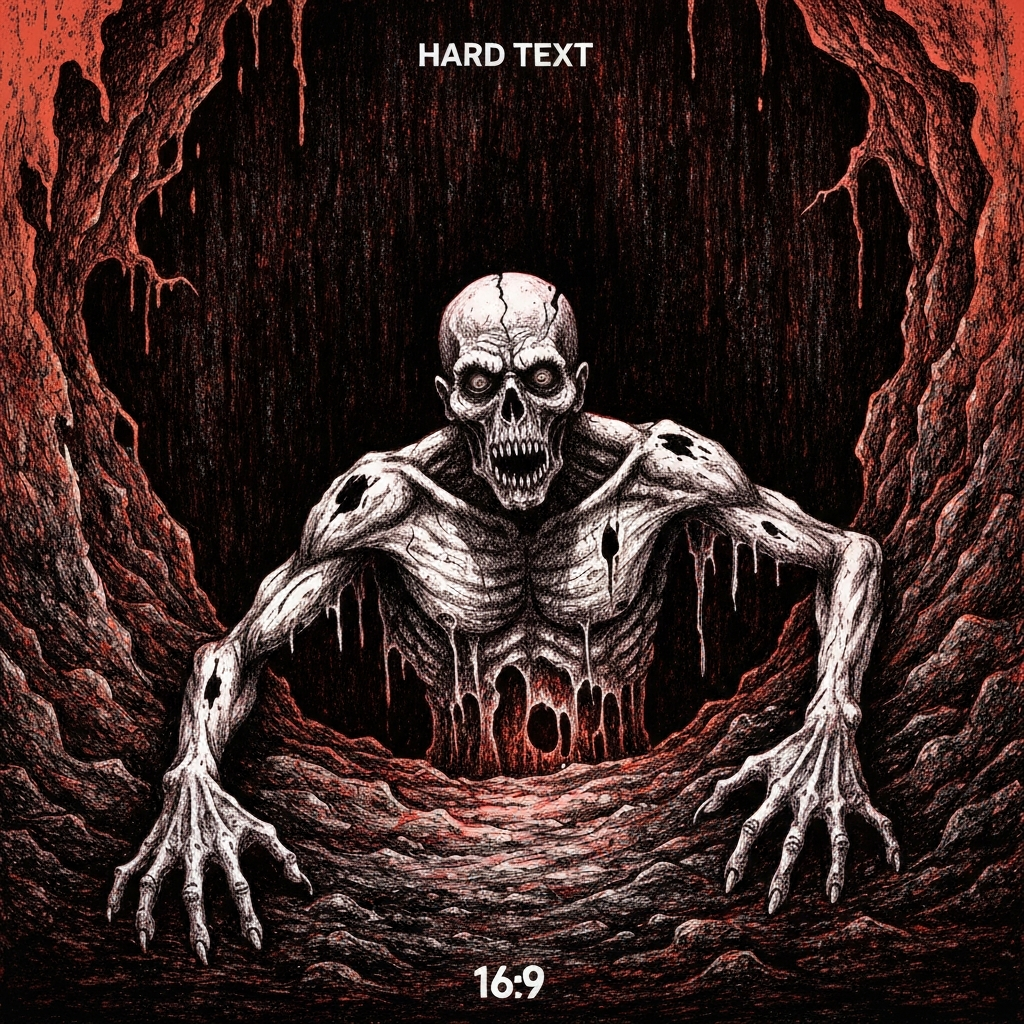
In a digital age often dominated by pristine, pixel-perfect visuals, there’s a primal scream echoing through the metal underground: a visceral call for the raw, the imperfect, the truly brutal. We’re seeing a powerful resurgence in traditional metal art, where the hand of the artist is not just visible but celebrated. Forget sterile perfection; bands are gravitating back towards album covers that feel like they’ve been dragged through hell, scrawled in blood, or carved from stone. This isn’t just nostalgia; it’s a deliberate aesthetic choice, a commitment to authenticity that digital polish simply cannot replicate.
Introduction: The Digital Glare Fades – A Return to Raw Canvas
For years, digital art offered unprecedented flexibility, allowing artists to create intricate, seamless landscapes and otherworldly horrors with precision. Yet, an unintended consequence emerged: a homogenisation of style, a certain ‘cleanliness’ that began to feel antithetical to metal’s inherent chaos. Now, the pendulum swings. Bands are actively seeking out the grit, the grain, the tangible imperfections of hand-drawn illustrations, oil paintings, and analogue collage. This shift towards traditional metal art isn’t merely a trend; it’s a statement, a defiant rejection of the polished veneer in favour of something far more honest and aggressive. If you’re looking to imbue your next release with this raw, authentic power, you can explore a curated collection of pre-made traditional metal artwork that embodies this aesthetic right now.
The Cultural Pulse: Why Metal Craves Authentic Imperfection Now
Metal has always thrived on its ability to confront, to disturb, to reflect the darker truths of existence. In an increasingly artificial world, the authenticity of a hand-rendered image resonates deeply. It speaks of human effort, of struggle, of a direct connection between the artist’s mind and the canvas. This imperfection isn’t a flaw; it’s a feature, a testament to the visceral process of creation that mirrors the energy of a live metal performance. It’s an unspoken agreement between band and listener: what you see is what you get – raw, unadulterated brutality, forged by human hands rather than algorithmic processes.
Defining ‘Tactile Terror’: The Hallmarks of Traditional Brutality
So, what exactly constitutes this ‘tactile terror’? It’s the deliberate inclusion of texture, depth, and visible brushstrokes or pen lines that invite the viewer to almost *feel* the art. It’s the raw, often grotesque, imagery rendered with palpable weight and dimension. Think beyond flat colours and smooth gradients; imagine the craggy textures of demonic skin, the intricate details of a decaying corpse, or the chaotic splatter of blood, all brought to life with techniques that celebrate the physicality of art. This could be the cross-hatching of a pen-and-ink drawing, the layered impasto of an oil painting, or the stark, unforgiving contrast of a woodcut. It’s art that feels heavy, ancient, and dangerous.
Subgenre Showcase: How Different Scenes Embrace the Hand-Drawn Nightmare
While the urge for traditional metal art is widespread, its manifestation varies across subgenres. Death metal, ever the purveyor of the macabre, frequently leans into detailed, grotesque illustrations with intricate line work and heavy shading, evoking classic horror and morbid fantasy. Black metal, in its quest for atmospheric dread and cold mysticism, often employs stark, monochromatic pen and ink, or even traditional painting styles that lend an ancient, foreboding aura. Thrash and speed metal might favour dynamic, cartoonish brutality with bold lines and vibrant, aggressive colours. Even doom and stoner metal scenes, while often more psychedelic, find their footing in oil paintings or heavy-inked designs that convey crushing weight and otherworldly visions. Each subgenre finds its own method to channel this primal aesthetic.
Beyond the Screen: The Emotional Impact of Visual Texture
The human brain is wired to respond to texture. A smooth, flat image communicates one thing; a rough, textured one, quite another. For metal, where emotion often borders on extremity, this visual texture is crucial. It’s why an album cover that looks like it was etched with a rusty nail or painted with bloodied fingers feels inherently more powerful, more authentic. It suggests effort, pain, and a lack of compromise. This tactile quality transcends the flat screen, embedding itself in the viewer’s psyche, creating a lasting impression that a digitally ‘clean’ image struggles to achieve. It’s not just a picture; it’s an experience.
Leveraging the Trend: Finding Your Brutality in Pre-Made Artwork
Embracing the trend of traditional metal art doesn’t necessitate commissioning a bespoke piece from a renowned artist, nor does it mean waiting months for completion. The accessibility of high-quality, pre-made artwork allows bands to instantly tap into these powerful aesthetics. These pieces are crafted by artists deeply steeped in metal culture, understanding the nuances of ‘tactile terror’ and brutal visuals. By selecting pre-made designs, you gain immediate access to artwork that already embodies the raw, hand-drawn, or painted feel that defines this resurgence. It’s about finding that perfect, visceral statement that aligns with your sound without delay. You can discover pre-made album artwork inspired by these brutal aesthetics and instantly elevate your band’s visual presence.
Unleash Your Primal Scream: Selecting Art That Speaks to the Trend
When choosing your artwork, consider not just the imagery, but its inherent texture and perceived method of creation. Does it look etched, painted, scratched, or drawn? Does it feel heavy, ancient, and imbued with the artist’s struggle? Look for pieces that convey a sense of tangible brutality, even through a screen. Think about how the lines, colours, and compositions would translate if you were holding a physical copy. The goal is to select art that not only captivates but also communicates an immediate, unfiltered sense of ferocity – a visual counterpart to your music’s auditory assault.